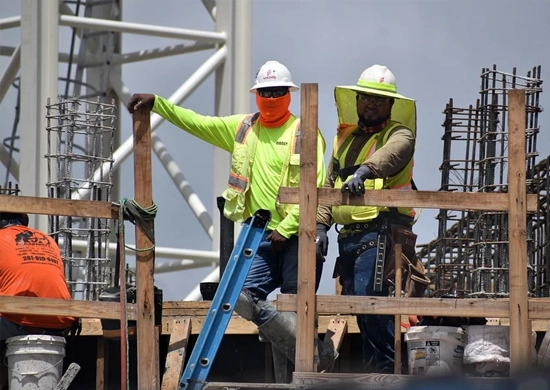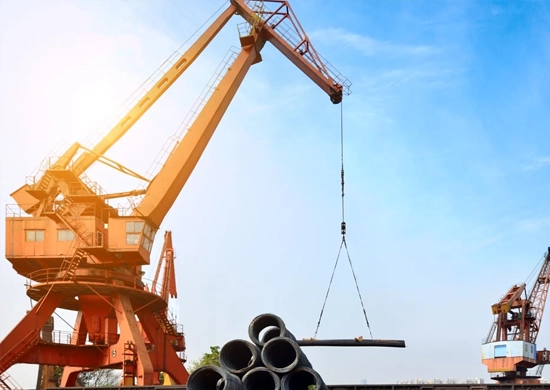
Rigger certification in Saudi Arabia has slowly turned into one of those things that no one can ignore anymore, especially in construction and oil & gas. It didn’t happen overnight. It came from years of accidents, unsafe lifting practices, small mistakes turning into major issues, and companies realising that heavy lifting is not something left to guesswork. This is the reason Basic Rigger Training Saudi Arabia began gaining so much attention. Workers who once relied on experience alone now find that certification isn’t just a preference, it’s a requirement, almost like a gate that opens the path to safer and more stable jobs.
The industry here is huge, especially with the constant development, endless construction activity and the demanding nature of oil and gas operations. A single wrong signal or a misjudged load weight can create situations no one ever wants to witness. That is why employers have shifted toward strict verification. Skills need to be proven, not assumed, and that sets the tone for why riggers must be trained and certified. Saudi Arabia takes lifting operations seriously, sometimes more seriously than outsiders expect, and the training reflects that tough expectation.
How long does Basic Rigger Training Take in Saudi Arabia
The duration of the training doesn’t feel rushed. It usually takes a few days to complete, though the exact timeline differs from one place to another. Some workers finish in three days, some need four or slightly more, depending on how the modules are structured and how practical sessions unfold. The pace is designed so trainees understand the lifting signals, equipment handling, load calculations and the risk factors behind every movement. It’s not taught in a hurry because a rushed lesson in rigging can create more problems later.
Trainees often say that the training feels fast only because everything is practical and hands-on. The body learns quicker than the brain sometimes, especially in physical work like this, where real equipment and real scenarios are part of the classroom.
Benefits of Taking Basic Rigger Training in Saudi Arabia
The benefits begin with safety, but they spread out into many corners of work life. Workers who complete Basic Rigger Training in Saudi Arabia tend to feel more confident in their tasks because they finally understand what the equipment is capable of, what it cannot do and what mistakes to avoid at all costs. Even supervisors trust trained riggers more because the certification shows that the person has been taught the right way.
Another benefit, one that many trainees don’t expect at first, is how much easier communication becomes on-site. Clear hand signals, proper coordination with crane operators and better judgment of lifting loads reduce confusion dramatically. Jobs move smoothly. The lifting operations stop feeling chaotic. In oil and gas, especially where the environment is tense and time-sensitive, trained riggers make everything more stable.
Is Basic Rigger Training Worth It for Career Growth?
Most people realise the value only after stepping into the job market. Companies in Saudi Arabia rarely hire untrained riggers anymore. Certification almost acts like a key to enter the industry. A worker with Basic Rigger Training in Saudi Arabia is seen as someone serious about the profession. This training also opens doors toward advanced rigging and lifting certifications later, which means better pay and more responsibility.
Those who want to stay long-term in construction or oil and gas often say the same thing: the training was worth every hour spent. It protects their job and pushes their career forward. Some even find that having certification gives them a competitive advantage when applying to large contractors or government-approved projects.
Eligibility Criteria for Basic Rigger Training
The criteria are not complicated, which is why so many workers enrol without difficulty. Usually, the person must be medically fit, able to handle physical tasks, and capable of understanding basic instructions. Some centres require minimal literacy depending on how the course is structured, though the training relies heavily on practical learning, so many workers can participate comfortably. The goal is to teach safety, not to filter people out unnecessarily.
There is one thing everyone notices: the course is designed to help, not intimidate. Even those new to lifting operations can catch up because the trainers understand the challenges of real job sites in Saudi Arabia.
Topics and Modules Covered in Basic Rigger Training
The modules inside Basic Rigger Training Saudi Arabia usually move from very basic safety awareness to deeper lessons about loads, lifting gear, signalling, communication, equipment behaviour, inspection needs and risk awareness. Trainees learn how weight shifts, how angles change, lifting safety, what happens when sling stress increases, what poor signalling can cause and why equipment must be checked every single time before use.
The training also touches on behaviour on-site, emotional awareness during lifting, coordination with crane operators and the correct steps to take when something doesn’t feel safe. It’s a blend of theory and practice, but the practical sessions always leave the strongest impact because workers feel the equipment and understand what controlled lifting actually means.
Why Rigger Certification Has Become Mandatory
Saudi Arabia’s construction and oil & gas industries operate on scales that many people outside the region don’t fully understand. Thousands of heavy lifts happen every day. Companies cannot afford mistakes that come from untrained riggers. Certification became mandatory because without it, the workplace becomes unstable. Every project runs smoother when riggers speak the same safety language.
Another reason is the pressure to follow international and national safety standards. Big contractors and government projects want documented proof that everyone involved in lifting operations is trained. Without certification, workers often cannot even enter certain sites. Certified riggers also protect the company from legal trouble, reduce downtime caused by accidents and increase productivity. The push for mandatory training is not just about rules; it is about survival, efficiency and protecting countless workers.
Role of Training Institutions and Safety Providers in Saudi Arabia
Saudi Arabia has multiple institutions offering rigging training, but some stand out because of their structured approach. One well-known example is a Health and Safety Training Institute in Saudi Arabia, where workers from different industries regularly enrol for safety qualifications. These institutes bring trained instructors, real equipment and updated safety modules that match Saudi standards.
Much of the demand also flows through Safety Training Providers in Riyadh, Saudi Arabia, which support companies handling major construction and infrastructure activities. Workers find opportunities to learn from experienced professionals who understand real field challenges, not only classroom theory. Training is built in a way that mirrors actual job-site situations. When workers encounter the same scenarios later in the field, they know exactly what to do.
Importance of Equipment Inspection in Rigger Certification
Rigging is not only about moving loads; it is also about understanding equipment condition. Many serious accidents happened in the past because slings, shackles or hooks weren’t inspected properly. Certified riggers are trained to check every item before use, which is why Equipment Inspection Services in Saudi Arabia have become closely connected with rigger training.
Inspection teaches riggers to think differently. They stop assuming equipment is fine and start questioning, observing, and examining. They understand that one small crack or worn-out sling can turn into a massive failure. Training makes them vigilant.
FAQ
- What is Basic Rigger Training?
Basic Rigger Training teaches workers how to handle lifting operations safely, understand signals, assess load weight, communicate with crane operators and follow proper safety practices. - Who can join Basic Rigger Training?
Anyone physically fit and involved in lifting or construction work can join. The course is designed in a way that even beginners can understand it. - Do I need a Basic Rigger certificate for jobs in Saudi Arabia?
Yes, most companies require it, especially in construction and oil & gas. Without certification, access to many job sites becomes limited. - Does the course improve job opportunities in Saudi Arabia?
Yes, it opens more doors. Certified riggers are preferred everywhere and usually get better chances for long-term roles. - What is the minimum age to enrol in Basic Rigger Training?
The usual minimum age is 18, though training centres may differ slightly.
Conclusion
Rigger certification is no longer just an option in Saudi Arabia. It has become a necessity, woven into the fabric of construction and oil & gas operations. Workers who complete Basic Rigger Training in Saudi Arabia walk into job sites with more skill, more confidence and more respect from supervisors. Training creates safer workplaces, reduces accidents and brings a level of professionalism that benefits everyone involved.
With strong safety institutions, experienced trainers and the growing emphasis on equipment inspection and safe lifting, Saudi Arabia has placed riggers in a central role. The certification protects the worker, protects the company and protects the massive projects shaping the country’s future. In a nation where lifting operations touch nearly every major development, trained riggers are not just helpful; they are essential.