A lot of people enter a Safety Training Center in Riyadh because they need a certificate. That is usually the reason they mention during admission. The interesting part is that the certificate often becomes the least valuable thing they gain if the training is delivered properly.
The real benefit is learning how workplaces actually fail.
Safety professionals spend much of their working lives identifying hazards that everybody else has stopped noticing. A leaking flange. A scaffold tag that nobody checked. A forklift route that crosses a pedestrian walkway. These are not dramatic events. They are ordinary conditions that gradually become accepted until an accident occurs.
Good training changes how people observe their surroundings.
I often see new entrants believe safety is mainly paperwork. Risk assessments. Permits. Checklists. Compliance forms. They are partly right. Documentation matters. Yet workplaces rarely experience serious incidents because a form was missing. Incidents happen because hazards were present and somebody failed to recognise the warning signs early enough. That is where structured training becomes valuable.
Practical Safety Training for Real Workplace Situations
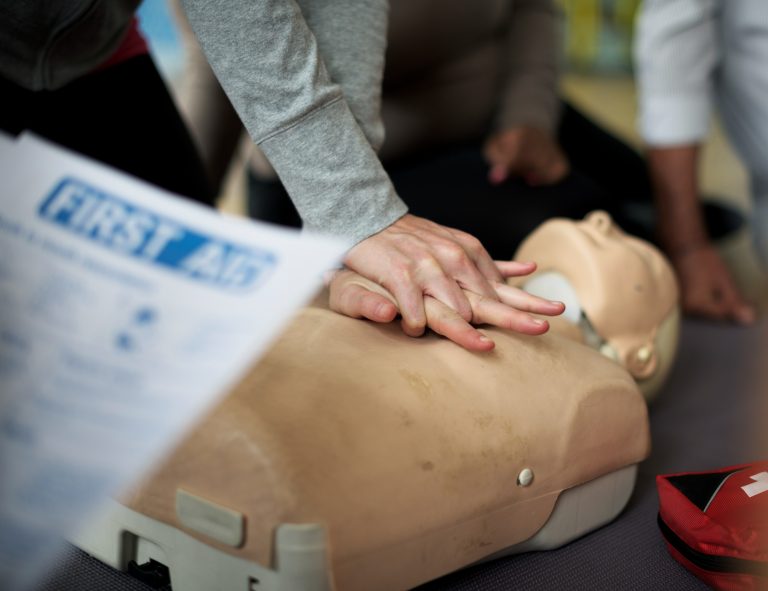
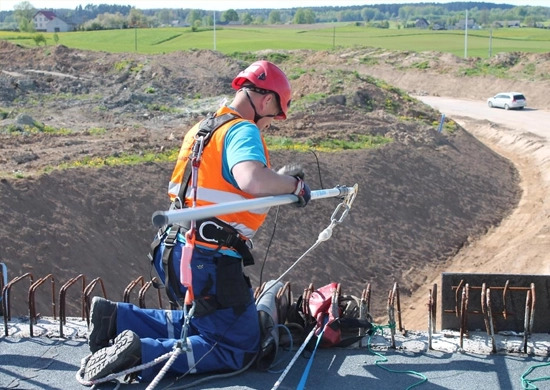
A well-run Safety Training Center in Riyadh exposes candidates to practical scenarios that they may never encounter during ordinary work. Fire emergencies. Confined spaces. Work at height. Lifting operations. Chemical handling. Emergency evacuation planning. Incident investigation. Once a trainee understands how accidents develop step by step, workplace decisions begin to change.
Employers notice that. The demand for qualified safety personnel across Saudi Arabia has increased steadily because projects have become larger, more complex and more regulated. Construction sites, industrial facilities, oil and gas operations, logistics centres and manufacturing plants all face increasing pressure to maintain safe working environments.
A person entering the industry without formal training often struggles during interviews.
Recruiters frequently ask questions that reveal whether a candidate understands practical safety management or has simply memorised definitions. They may ask how to investigate a near miss. How to manage contractor safety. How to conduct a toolbox talk. How to assess risks before maintenance work starts. Candidates who have attended a reputable Safety Training Center in Riyadh usually answer with greater confidence because they have already worked through similar situations during training.
Confidence is rarely discussed.
Technical knowledge matters, but employers also look for communication skills. Safety officers spend a large part of their day speaking with workers, supervisors, engineers and managers. They must explain hazards clearly without creating unnecessary conflict. Training environments provide opportunities to develop these skills before entering high-pressure workplaces.
Not every trainee becomes a safety officer.
Some become supervisors. Some move into quality management roles. Others remain in technical positions but gain a stronger understanding of risk management. The value of safety education extends beyond traditional safety departments because nearly every workplace decision carries some form of risk.
The strongest training centres understand this distinction.
They focus on practical application rather than examination success alone.
A candidate can pass an exam and still struggle on a real construction site.
That happens more often than people realise.
The workplace does not present hazards in neat multiple-choice formats. Conditions change throughout the day. Weather changes. Equipment breaks down. Contractors arrive unexpectedly. Production targets create pressure. Workers take shortcuts. Safety professionals must make decisions with incomplete information.
Training should reflect that reality.
Choosing the Right Safety Training Center in Riyadh
When evaluating a Safety Training Center in Riyadh, I usually look at the instructors first. The quality of trainers often matters more than the classroom itself. Experienced trainers bring real project examples into discussions. They explain why certain controls failed. They discuss incidents honestly. They challenge assumptions.
Students remember those conversations years later.
Course variety matters as well.
Some centres focus primarily on international certifications such as NEBOSH and IOSH. Others offer specialised programmes covering scaffolding inspection, lifting operations, fire safety, first aid, risk assessment, incident investigation and environmental management.
The right choice depends on career objectives.
A person seeking entry into the profession may require a different pathway from an experienced supervisor looking to strengthen existing knowledge.
One mistake candidates frequently make is choosing a training provider solely because it offers the lowest fee.
Cheap training can become expensive.
Poor instruction leads to weak understanding. Weak understanding leads to failed interviews. Failed interviews lead to repeated certification expenses. Cost should be considered alongside trainer experience, course reputation, industry recognition and student support.
This becomes especially relevant when selecting among different Safety Training Providers in Riyadh, Saudi Arabia. Course brochures often look similar. Training quality rarely is.
Career Growth Through Recognised Safety Qualifications
Career progression is usually faster for individuals who combine technical expertise with recognised safety qualifications. Employers prefer candidates who understand both operational requirements and safety expectations. An engineer with safety training may have advantages over an engineer without it. A supervisor with safety qualifications often becomes more attractive for promotion opportunities.
Saudi Arabia’s ongoing industrial development has expanded opportunities significantly.
Large infrastructure projects require competent safety personnel at multiple levels. Refineries require them. Warehouses require them. Airports require them. Renewable energy projects require them. Facilities management companies require them.
The range of available positions is broader than most newcomers expect.
Safety Officer.
HSE Officer.
HSE Engineer.
Safety Supervisor.
Risk Assessor.
Safety Trainer.
Compliance Coordinator.
Permit Coordinator.
Site Safety Inspector.
Incident Investigator.
Each role demands slightly different competencies, but all benefit from formal training.
Some candidates assume that completing a course automatically guarantees employment.
It does not.
Training improves employability. It does not replace experience, communication ability or professional attitude. The most successful candidates continue learning after certification. They read regulations. They study incident reports. They observe workplace practices carefully.
Safety is not a profession where learning stops.
Workplace expectations evolve continuously.
Saudi regulations develop. Industry standards change. New technologies create new risks. Organisations update procedures. Professionals who remain curious tend to progress further than those who rely solely on qualifications obtained years earlier.
Building a Stronger Safety Culture and Better Risk Decisions
Workplace safety training carries another benefit that receives less attention.
It changes organisational culture.
When supervisors, managers and workers share a common understanding of hazards, discussions become more productive. Safety stops being viewed as an obstacle and starts being viewed as part of operational planning.
That transition is difficult.
Some organisations still treat safety as a box-ticking exercise. Training alone cannot solve that problem. Management commitment remains essential. Yet properly trained employees are better equipped to challenge unsafe practices and propose practical improvements.
The Importance of Workplace Safety Training in Saudi Arabia becomes obvious when reviewing incident investigations.
Very few incidents occur because people intended harm.
Most occur because hazards were underestimated, controls were ignored or assumptions were incorrect.
Training addresses those weaknesses.
Not perfectly.
No training programme eliminates risk entirely.
Even highly trained organisations experience incidents. Human error never disappears completely. Equipment failures still occur. Unexpected conditions still arise. The goal is risk reduction, not risk elimination.
That distinction matters.
Some trainees leave courses believing every accident can be prevented if procedures are followed. Reality is more complicated. Procedures help. Competence helps. Supervision helps. Equipment helps. None of these provide absolute protection.
Good instructors acknowledge this complexity.
A recognised Health and Safety Training Institute in Saudi Arabia should encourage critical thinking rather than blind rule-following. Workers occasionally face situations that procedures never anticipated. Sound judgement becomes essential.
The relationship between safety training and equipment management is often overlooked as well.
A workplace can possess excellent machinery and still experience incidents if inspections are neglected. Understanding inspection requirements forms part of effective safety management. This is why topics connected to Equipment Inspection Services in Saudi Arabia frequently appear within advanced safety programmes.
The objective is not merely identifying defects.
It is understanding how defects create risk.
That perspective changes decision-making.
People frequently ask about NEBOSH and IOSH.
The difference is fairly straightforward.
IOSH programmes are generally shorter and provide broad awareness of workplace safety principles. They are useful for supervisors, managers and employees seeking foundational knowledge.
NEBOSH qualifications go deeper.
Risk assessment methodologies, legal responsibilities, hazard control strategies and safety management systems receive more extensive coverage. NEBOSH is usually preferred when somebody intends to build a dedicated safety career.
Neither qualification is universally better.
The correct choice depends on career objectives, existing experience and employer expectations.
Beginners often worry that training centres only accept experienced professionals.
That is rarely true.
Can beginners join a Safety Training Center in Riyadh?
Yes. Most centres offer entry-level programmes specifically designed for newcomers. Prior safety experience is not usually required. Strong motivation and willingness to learn matter more.
The available courses vary considerably.
Which courses are available at a Safety Training Center in Riyadh?
Typical options include NEBOSH, IOSH, Fire Safety, First Aid, Risk Assessment, Incident Investigation, Work at Height, Confined Space Safety, Lifting Operations, Scaffold Inspection, Environmental Management and Occupational Health programmes.
Career opportunities naturally depend on qualification level and industry demand.
Career Opportunities After Completing Safety Training in Riyadh include positions across construction, oil and gas, manufacturing, logistics, aviation, utilities, facilities management and infrastructure projects. Senior opportunities generally require experience alongside certifications.
People sometimes search for a perfect training centre.
There is no perfect centre.
There is only the centre that best matches your goals.
How to Select the Right Safety Training Center in Riyadh?
Look beyond advertising. Review instructor backgrounds. Check accreditation status. Speak with former students if possible. Examine course content. Ask about practical exercises. Ask about examination support. Ask whether trainers possess actual field experience.
The answers reveal more than brochures ever will.
How a Safety Training Center in Riyadh Helps You Build a Successful Career is not really about certificates hanging on a wall.
It is about developing the ability to recognise risk, communicate effectively, influence behaviour and make better decisions under pressure.
Those skills remain valuable long after the examination results are forgotten.
What is the difference between NEBOSH and IOSH?
| Feature | NEBOSH | IOSH |
| Full Form | National Examination Board in Occupational Safety and Health | Institution of Occupational Safety and Health |
| Main Purpose | Professional safety qualification for those building a career in health and safety | Safety awareness and management training for employees, supervisors and managers |
| Depth of Study | Detailed and comprehensive | Basic to intermediate level |
| Duration | Usually takes several weeks or months, depending on the course | Usually completed within a few days |
| Difficulty Level | More demanding, with detailed assessments and examinations | Easier and focused on practical workplace understanding |
| Target Audience | Safety Officers, HSE Professionals, Safety Engineers and those seeking safety careers | Supervisors, team leaders, managers and general employees |
| Career Value | Widely recognised for professional health and safety roles worldwide | Valuable for improving workplace safety knowledge but not usually sufficient for dedicated safety positions |
| Topics Covered | Risk assessment, hazard control, safety management systems, incident investigation, occupational health and legal responsibilities | Basic hazard awareness, risk management and safety responsibilities in the workplace |
| Assessment Method | Formal examinations, assignments or practical assessments | Short assessments and practical exercises |
| Industry Recognition | Highly regarded across construction, oil and gas, manufacturing and industrial sectors | Recognised as a strong introductory safety qualification |
| Best For | Individuals planning a long-term career in health and safety | Individuals who need workplace safety knowledge as part of their current role |
Why is workplace safety training important?
Workplace safety training helps people recognise hazards before they become incidents.
In most investigations, the problem is not a complete lack of procedures. The problem is that risks were missed, underestimated or ignored. Proper training teaches workers how to identify unsafe conditions, use equipment correctly and respond appropriately during emergencies.
Training also reduces costly disruptions. A single workplace accident can lead to medical expenses, project delays, equipment damage and reputational problems. Organisations that invest in safety education generally experience better compliance, improved productivity and stronger workforce confidence.
Safety training is not simply about meeting regulations. It helps people make better decisions when conditions change unexpectedly.
Which industries need certified safety professionals?
Certified safety professionals are required across a wide range of industries in Saudi Arabia.
- Construction and infrastructure projects
- Oil and gas operations
- Manufacturing facilities
- Warehousing and logistics centres
- Power generation and utilities
- Mining and heavy industry
- Aviation and airport operations
- Marine and port activities
- Facilities management companies
- Healthcare institutions
Construction and oil and gas remain major employers of safety personnel because of the higher levels of operational risk. Demand is also growing in logistics, renewable energy and industrial maintenance sectors where safety compliance has become a key business requirement.