Saudi Arabia is experiencing rapid growth in industries such as construction, oil and gas, manufacturing, logistics, and infrastructure development. As large-scale projects and global safety norms roll out, the demand for adept safety professionals increases every single year. It has provided great opportunities for those around you looking to create sustainable careers that are financially rewarding through Health and Safety Courses in Saudi Arabia.
Safety credentials boost your employability and professionalism as a fresh graduate, technician, engineer or seasoned worker. Companies in Saudi Arabia are hiring trained safety officers, HSE engineers, inspectors and compliance experts to uphold workplace safety but need time to comply with the Government Regulations.
Why Are Health and Safety Courses in Saudi Arabia Important for Career Growth?
Workplace safety has become a standard practice rather than an optional one. It is also designed to train workers. This is how industries now prioritize employee protection, risk management and accidents prevention. As a result, employers value candidates who are trained with accredited safety credentials and hands-on experience.
Completing Health and Safety Courses in Saudi Arabia helps professionals:
- Gain industry-recognized qualifications
- Improve workplace safety awareness
- Increase chances of promotion
- Meet international HSE standards
- Access better salary packages
- Qualify for jobs in major industries
Certified professionals in the field of safety earn respect in sectors such as oil and gas, construction or heavy equipment operations. Most firms require safety training last before they hire employees to higher risk places.
Saudi Arabia’s Vision 2030 projects have also increased the need for trained HSE personnel. Large infrastructure developments require strict safety monitoring, which creates strong demand for skilled professionals.
How to Choose the Best Health and Safety Courses in Saudi Arabia?
Not one course is going to make you a safety guru, just as not all industries require the exact same safety skills. Look for any job, company or industry you want to get into before you sign up.
And here are a few considerations to keep in mind:
1. International Recognition
Find courses which are recognized globally. Certifications such as NEBOSH, IOSH, OSHA and ISO-related safety programmes are greatly appreciated by employers.
2. Practical Training
A good training program provides exercises based in the workplace, risk assessment and site safety practices rather than supported solely by classroom theory.
3. Experienced Trainers
Well, the Health and Safety Training Institute in Saudi Arabia must consist of trainers who have hands-on experience in HSE management and compliance.
4. Industry Relevance
Choose courses related to your target industry. For example:
- Construction safety for civil projects
- Oil and gas safety for refinery work
- Fire safety for industrial facilities
- Equipment safety for heavy machinery operations
5. Certification Value
There are Certifications, which originate from international organizations and recognized by some well known safety authorities for their best implementations.
Which Health and Safety Courses in Saudi Arabia Have the Highest Demand?
In Saudi Arabia Industrial safety requirements are continuously increasing, There are many safety certifications and few of them are highly recommended.
NEBOSH International General Certificate
It is a widely recognized qualification in the field of occupational health and safety. Ideal for managers, engineers and safety officers.
IOSH Managing Safely
IOSH is ideal for beginners and managers who want basic safety management knowledge.
OSHA Courses
OSHA certifications focus on workplace hazard prevention and are widely accepted in construction and industrial sectors.
Fire and Industrial Safety Courses
These programs teach fire prevention, emergency response, and evacuation procedures.
Risk Assessment and ISO Safety Courses
ISO-related training helps organizations improve compliance and maintain international standards.
Equipment Inspection and Lifting Safety Programs
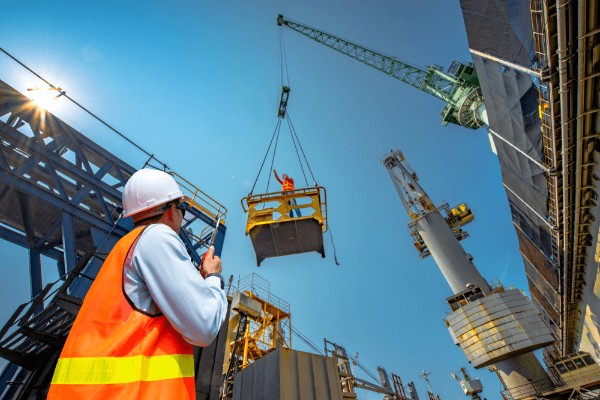
Many industries that rely on cranes, lifting equipment, and heavy machinery typically need trained professionals to inspect activities and meet safety regulations. Most businesses also partner with providers providing Equipment Inspection Services in Saudi Arabia to ensure the safety of operations.
These certifications still offer employment opportunities with rapid industrial expansion all over Saudi Arabia.
What Qualifications Do You Need for Health and Safety Courses in Saudi Arabia?
The qualifications depend on the course level and specialization.
Beginner-Level Courses
Most entry-level safety programs only require:
- Basic education
- Ability to understand English
- Interest in workplace safety
Advanced Certifications
Programs like NEBOSH or specialized HSE diplomas may prefer:
- Engineering or technical background
- Industrial experience
- Supervisory experience
However, many institutes accept fresh graduates who want to start a career in occupational safety.
Health and Safety Courses in Saudi Arabia are designed for professionals of various industries including:
- Engineers
- Electricians
- Mechanical technicians
- Construction workers
- Supervisors
- Factory employees
- Fresh graduates
What Jobs Can You Get After Completing Health and Safety Courses in Saudi Arabia?
More opportunities in local and global companies—Safety certification will help to step into many organizations.
Common job roles include:
- Safety Officer
- HSE Engineer
- Safety Supervisor
- Fire Safety Officer
- Risk Assessment Officer
- Safety Inspector
- Construction Safety Coordinator
- Industrial Safety Trainer
- Compliance Officer
On getting the certification, your salary and career growth opportunities in various Multinational companies including Saudi Arabia hikes up.
Cities like Riyadh, Jeddah, Dammam and Jubail are particularly on-demand. A few leading Safety Training Providers in Riyadh, Saudi Arabia also assist professionals to prepare for international certifications and industrial requirements.
Why Workplace Safety Training Matters in Saudi Arabia
In Saudi Arabia, the stringent safety measures are designed by regulations for hazardous working environment industries. In the workplace, accidents could result in severe injuries, a legal problem, delay on the project and a loss of money.
Safety training helps organizations:
- Reduce accidents
- Improve employee confidence
- Increase productivity
- Maintain legal compliance
- Build a positive safety culture
When employees know safety, it gives them confidence about working with machinery, chemicals or when they are performing electrical activities during construction.
Workers who know about emergency procedures, hazard identification and risk control methods — an area also covered by safety certification programs — are valued by employers.
This likewise clarifies a portion of the impetus behind expanding preferred positions to take Health and Safety Courses in Saudi Arabia from organizations just as applicants.
Benefits of Taking Health and Safety Courses
There are several long-term advantages to completing professional safety certifications.
Better Career Opportunities
Certified Professionals tend to be shortlisted sooner in the hiring process.
Higher Salary Potential
Certified safety professionals are generally compensated better than their non-certified counterparts.
International Job Opportunities
Certifications recognised by international bodies help individuals work in Gulf countries and also get foreign companies to hire them.
Improved Professional Skills
Training develops skills, including communication, leadership, hazard management and emergency response.
Strong Industry Demand
As long as the industries are still engaged in project activities, then they will continually need professionals with trained HSE to assist them in complying with one regulation and standards such as safety.
With advancements in every field, with health and safety being a priority for most companies across the industrial sector, Health and Safety Courses in Saudi Arabia are considered as one of the best routes to get your career started.
FAQ
Who can apply for Health and Safety Courses in Saudi Arabia?
Anyone interested in workplace safety can apply, including fresh graduates, engineers, supervisors, technicians, and industrial workers.
What is the difference between IOSH and NEBOSH courses?
IOSH focuses on basic workplace safety awareness and management skills, while NEBOSH provides more advanced and detailed occupational health and safety training.
Which safety course is best for beginners?
IOSH Managing Safely and basic OSHA programs are considered excellent starting points for beginners.
Why is workplace safety training important in Saudi Arabia?
Safety training helps reduce accidents, improves legal compliance, protects employees, and supports safer working environments in high-risk industries.
What are the benefits of taking Health and Safety Courses?
These courses improve career opportunities, increase salary potential, enhance workplace safety knowledge, and help professionals qualify for international job roles.