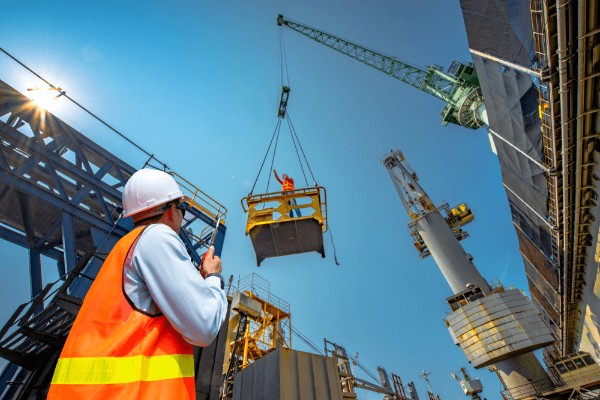
A lifting operation can look straightforward from a distance. A crane arrives, rigging is connected, a load rises, moves and lands. From the lifting supervisor’s position, the same operation is a sequence of decisions: whether the lifting arrangement matches the plan, whether the selected accessories are appropriate, whether the work area remains controlled, whether communication is clear and whether conditions still allow the lift to proceed as intended.
That is the working context behind a Lifting Supervisor Training Course. The purpose is not simply to teach someone how lifting equipment works. It develops the supervisory judgement required to coordinate lifting activities in a controlled, organised and professionally accountable manner.
What a Lifting Supervisor Training Course Actually Prepares a Person to Do
The lifting supervisor occupies a practical position between the approved lifting plan and the people carrying it out.
A competent supervisor needs to understand enough about cranes, lifting accessories, rigging arrangements, load characteristics, signalling, exclusion zones and operational controls to recognise whether the lift being prepared in front of them corresponds with what was planned.
This distinction matters. The lifting supervisor is generally not expected to redesign an engineered lifting plan on site. The role is to ensure that the agreed lifting method is implemented correctly and that the lifting team works within the defined controls.
A well-designed Lifting Supervisor Training Course usually develops knowledge around lift preparation, hazard recognition, lifting accessories, pre-lift checks, communication arrangements, roles within the lifting team, safe positioning of personnel and supervision during the execution of the lift.
Consider a routine equipment relocation inside an industrial facility. The load weight may already be established. The crane capacity may be suitable. The slings may have adequate rated capacity. Yet the supervisor still has practical questions to settle before lifting starts.
Is the landing area ready?
Is the travel path controlled?
Does everyone understand the signal system?
Are unauthorised personnel outside the lifting zone?
Does the rigging arrangement correspond with the approved method?
Has the lifting team discussed the sequence before the crane takes the load?
Good supervision brings these separate elements together.
The Lifting Supervisor’s Place in a Well-Controlled Lifting Operation
Successful lifting work is rarely the achievement of a single person. It depends on several competent people performing clearly defined roles.
The appointed person or lifting planner may establish how the lift is to be performed. The crane operator controls the equipment. Riggers connect, secure and manage the load. Signal personnel maintain communication where required. The lifting supervisor keeps the operation coordinated at working level.
That coordination has real value on busy construction, infrastructure, oil and gas, manufacturing and industrial sites.
A lifting operation may take place beside vehicle movements, excavation work, scaffolding, maintenance activities or other contractors. Conditions around the lifting area can change even though the lift itself has been planned properly. A supervisor with appropriate training develops the situational awareness to keep the lifting operation aligned with the agreed controls.
Communication deserves particular attention. Experienced lifting teams often develop efficient ways of working together, but professional supervision keeps communication formal where it needs to be formal. The person giving signals should be identifiable. Instructions should be understood. People involved in the operation should know when a lift is beginning, where the load is travelling and where they are expected to stand.
There should be very little ambiguity around a suspended load. The best supervisors are usually calm rather than theatrical. They observe. They confirm. They make sure the team is ready. They allow the operation to proceed when the conditions correspond with the lifting plan. That is what competent supervision looks like on site.
What Professional Lifting Supervisor Training Should Cover
Course titles alone tell very little about the quality of occupational training.
For supervisory lifting work, useful training needs a strong connection with actual site conditions. Participants should leave with a practical understanding of how a lifting operation is prepared, controlled and completed rather than simply remembering terminology.
Training commonly deals with roles and responsibilities within lifting operations, types of lifting equipment, rigging accessories, safe working load or working load limit concepts, identification and marking of accessories, lifting plans, risk assessment, pre-use considerations, communication, hand signals, exclusion zones and control of lifting areas.
Load characteristics deserve careful treatment.
A five-tonne load is not simply a five-tonne problem. Its dimensions, centre of gravity, lifting points, orientation, stability and intended landing position all affect how it behaves during movement. A supervisor does not need to turn every routine lift into an engineering exercise, but should understand why these characteristics matter.
The same applies to rigging hardware.
Shackles, slings, hooks, eyebolts and other lifting accessories are working components of the lifting system. Identification, certification status, suitability and condition need to be understood in practical terms. This is where training and inspection complement each other. Organisations that use independent Equipment Inspection Services in Saudi Arabia can integrate equipment assurance with competent supervision and disciplined pre-use verification.
Practical exercises are particularly useful because lifting supervision is an observational role. Photographs, lift scenarios, rigging arrangements, hand-signal exercises and simulated pre-lift briefings allow participants to apply knowledge instead of merely repeating it. The course certificate matters. The judgement developed behind the certificate matters more.
Why Lifting Supervisor Competence Matters to Employers and Professionals
For an employer, competent lifting supervision creates structure around work that involves significant equipment, valuable materials and coordinated manpower.
A properly supervised lift tends to be organised before the load leaves the ground. Responsibilities are understood. Access to the lifting area is controlled. Equipment is checked. Communication is agreed. The destination of the load is prepared.
Those habits support productivity as much as safety. Good lifting operations are usually efficient because unnecessary uncertainty has already been removed. The crane operator is not waiting for instructions that should have been settled earlier. Riggers know the sequence. The landing area is ready. People outside the lifting team understand the boundary around the operation.
For the individual, a recognised Lifting Supervisor Training Course can strengthen progression from operational lifting work into supervisory responsibility.
This is particularly relevant for experienced riggers, foremen, crane-team personnel, construction supervisors and employees who are being assigned greater responsibility for lifting activities.
Technical familiarity gives experienced workers a useful foundation. Formal training then gives structure to that experience. It clarifies responsibilities, introduces a consistent supervisory approach and helps the participant communicate decisions professionally.
The career value also extends beyond the words “lifting supervisor” on a job title. Large projects increasingly depend on workers who can demonstrate role-specific competence. Someone who understands lifting supervision, permit systems, risk assessment and related HSE controls becomes useful across a wider range of project environments.
Selecting the Right Training in Saudi Arabia
The first question I would ask about any supervisory lifting programme is not how quickly the certificate can be issued. I would ask what the participant will be capable of recognising and managing after the training.
A credible Health and Safety Training Institute in Saudi Arabia should be able to explain the course objectives clearly, who the programme is intended for, the subjects covered, the assessment method and the practical competence the learner is expected to develop.
Trainer quality matters as well. Lifting operations make far more sense when technical principles are connected to recognisable site situations: a load with an offset centre of gravity, a congested landing area, communication across a restricted line of sight, a change in site activity around the lifting zone, or a pre-lift discussion involving several contractors.
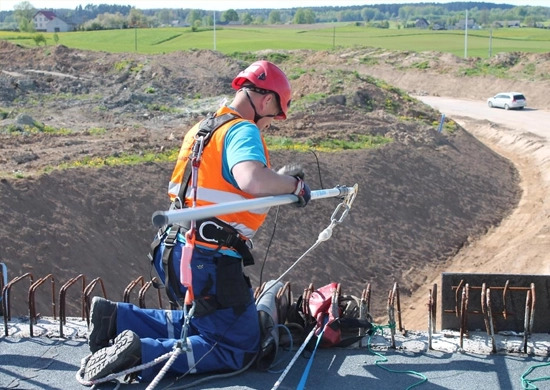
When comparing Safety Training Providers in Riyadh, Saudi Arabia, employers should also look at the wider training environment. Lifting supervision does not exist separately from occupational safety. Knowledge of rigging, lifting equipment, work permits, working at height, risk assessment and inspection practices gives the subject its proper operational context.
Beginners can certainly enter lifting-related training, provided the selected course is appropriate to their current competence level. Someone completely new to lifting may benefit from developing basic lifting and rigging knowledge alongside supervisory learning. An experienced rigger moving into supervision will approach the same material from a different starting point.
Training works particularly well when formal learning is followed by supervised exposure to real lifting operations. Classroom knowledge establishes the principles. Site experience develops judgement. That combination is valuable.
FAQS
1. What Is a Lifting Supervisor Training Course and Why Is It Important?
It is professional training designed to develop the knowledge required to supervise lifting operations in accordance with lifting plans, site procedures and established safety controls. It is valuable because the lifting supervisor coordinates the people, equipment, communication and working area involved in executing the lift.
2. What Are the Benefits of Taking a Lifting Supervisor Training Course?
The course can improve understanding of lifting operations, supervisory responsibilities, rigging arrangements, lifting accessories, hazard controls, communication and lift execution. It can also support career progression into positions involving greater responsibility for lifting activities.
3. Who Should Take a Lifting Supervisor Training Course?
It is particularly suitable for lifting supervisors, foremen, experienced riggers, construction supervisors, crane-team personnel and employees who are expected to supervise or coordinate lifting activities.
4. What Are the Responsibilities of a Lifting Supervisor?
Responsibilities generally include confirming that lifting activities follow the approved lifting arrangements, coordinating the lifting team, checking that appropriate controls are in place, maintaining an organised lifting area, confirming communication arrangements and supervising the execution of the lift.
5. Why Is a Lifting Supervisor Important for Safe Lifting Operations?
The supervisor provides working-level coordination. A good lifting plan becomes effective on site when equipment, personnel, communication, access control and lifting sequence are brought together correctly. The lifting supervisor helps maintain that alignment throughout the operation.
6. What qualifications are required to become a lifting supervisor?
Requirements vary according to the employer, project, client requirements, industry and type of lifting operation. Relevant lifting or rigging knowledge, suitable training, practical experience and evidence of competence are commonly valued. Higher-risk or specialised operations may require additional project-specific competence.
7. Is a Lifting Supervisor Training Course mandatory?
The precise requirement depends on applicable regulations, contractual requirements, company procedures and the nature of the lifting activity. Organisations commonly require lifting operations to be supervised by a person who has demonstrated suitable competence for the responsibility assigned.
8. Can beginners take a Lifting Supervisor Training Course?
Yes, where the training provider considers the course suitable for their level. Beginners often gain more from the programme when basic knowledge of lifting equipment, rigging terminology and lifting practices is developed alongside the supervisory material.
9. What career opportunities are available after completing the course?
Depending on previous experience and employer requirements, trained personnel may progress towards roles such as lifting supervisor, lifting foreman, rigging supervisor, construction supervisor or other site positions involving responsibility for lifting operations. The qualification can also complement broader HSE and industrial supervisory development.
10. How do I choose the right Lifting Supervisor Training Course?
Look at course relevance rather than the certificate alone. Check the trainer’s competence, practical content, assessment process, recognition of the training, coverage of lifting plans and rigging principles, and whether the programme reflects the type of lifting operations encountered in your industry. The right course should leave a participant better prepared to supervise real work, not simply better prepared to answer an examination question.