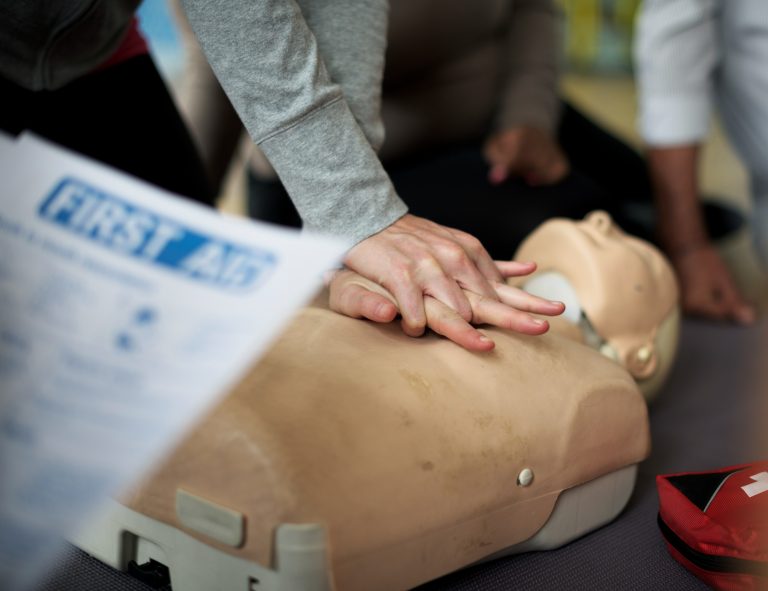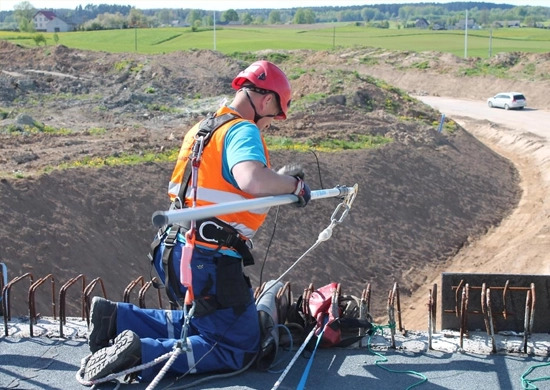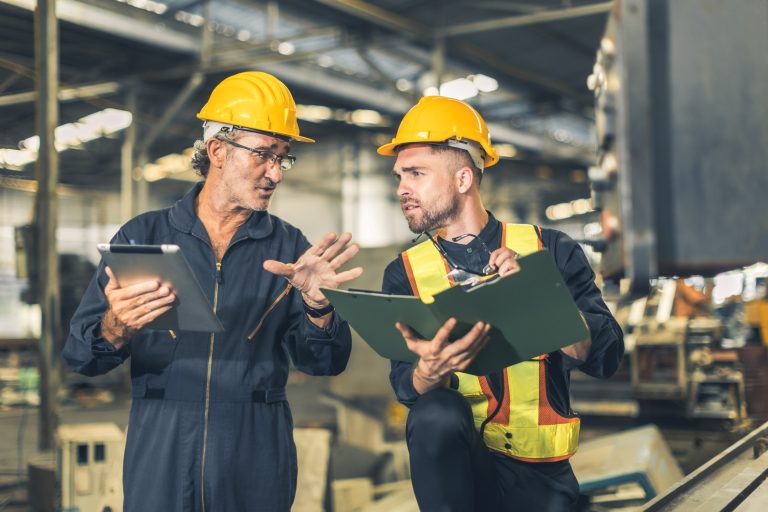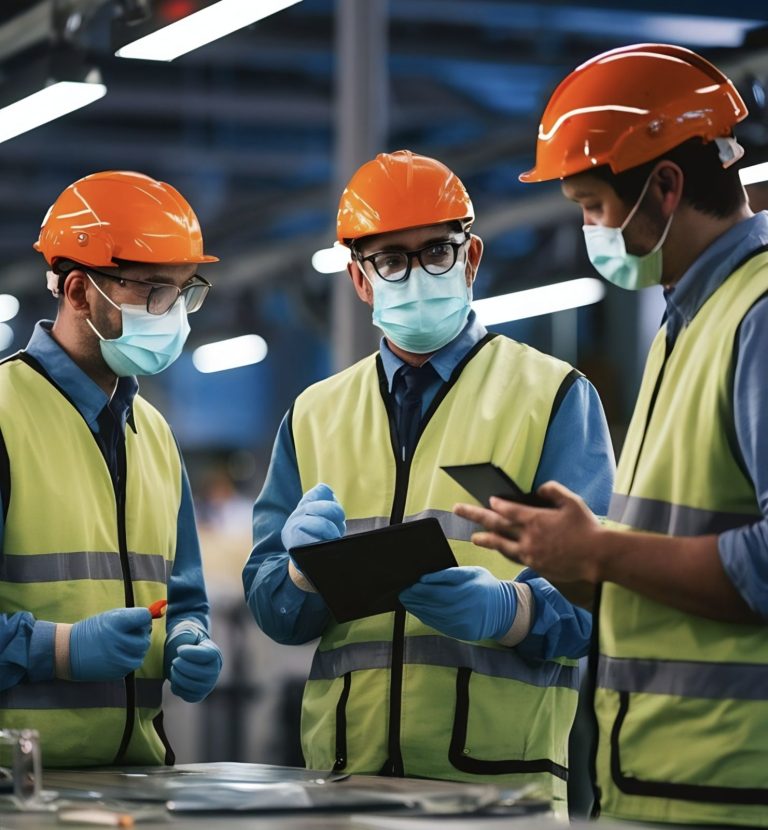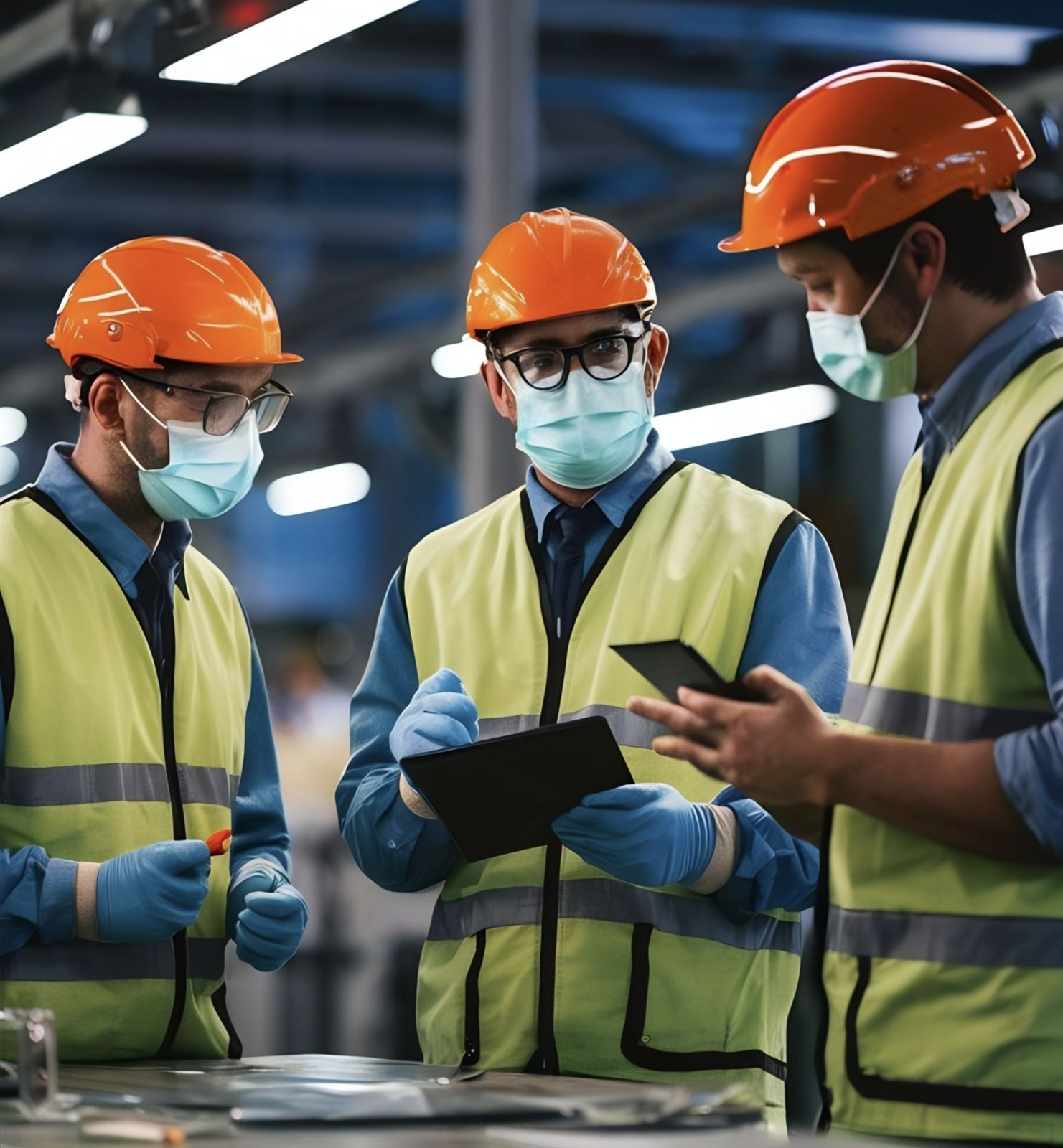
Workshop safety is not a poster on the wall. It is the condition of the floor at 7.10 in the morning when the first team enters half-awake. It is the grinder guard that was removed yesterday because it was “getting in the way”. It is the compressed air line left under a bench. It is the young technician who copies the senior man because nobody corrected the senior man for ten years.
That is usually where accidents begin. In Saudi Arabia, workshops sit inside almost every industry, even when the business does not call itself an industrial operation. Construction companies have plant maintenance areas. Hospitals have biomedical and facilities workshops. Hotels have maintenance rooms. Oil and gas contractors have fabrication yards. Logistics firms have vehicle bays. Manufacturing plants, aluminium shops, joinery units, printing presses, steel workshops, food factories, marine repair facilities, HVAC teams, electrical maintenance crews — all of them carry workshop risk.
Some risks are dramatic. Rotating machinery, welding arcs, lifting equipment, electrical isolation failure, hydraulic pressure, forklifts, hot work near flammable material. Some are dull. Poor housekeeping. Bad lighting. A missing label. A cracked extension cable. A ladder used because the right access platform is locked in another store.
The dull ones injure people too. Workshop Safety Training in Saudi Arabia has become more serious because the work itself has become faster, more mixed, and more dependent on subcontractors. A workshop may have Saudi nationals, expatriate technicians, short-term contractors, equipment suppliers, cleaners, drivers, and inspectors all moving through the same space. Different languages. Different habits. Different ideas of what is “normal”. A safe system has to survive that mix. A toolbox talk alone will not do it.
Why Every Industry Ends Up Needing the Same Discipline
The strange thing about workshop safety is how often industries believe their risks are special. They are not entirely wrong. A fabrication workshop in Dammam is not the same as a hospital maintenance workshop in Riyadh. A food-processing plant has hygiene pressures that a vehicle workshop does not. An oilfield service yard has permit-to-work requirements that a small engineering shop may never see.
Yet the pattern of failure is very familiar. Someone uses the wrong tool because the right one is missing. Someone bypasses a guard because production is delayed. Someone starts equipment without realising another worker is adjusting it. Someone stores chemicals beside incompatible materials. Someone walks through a welding area without eye protection. Someone lifts a load with damaged slings because the job is “only five minutes”.
That phrase has caused a lot of blood. “Only five minutes” is the enemy of workshop safety. So is “we have always done it like this”. So is “the client is waiting”.
In a well-run workshop, safety is not treated as a separate activity. It is built into how work is received, planned, supervised, checked, stopped, restarted, and handed over. The worker should know where the isolation point is. The supervisor should know which jobs need permits. The stores team should know why damaged tools cannot go back into circulation. The manager should understand that a clean workshop is not about appearance. It is a control measure.
This is where a proper Health and Safety Training Institute in Saudi Arabia makes a difference, provided the training is not reduced to slides and attendance sheets. The test is not whether workers can repeat definitions. The test is whether they change what they do with grinders, ladders, lifting tackles, cables, chemicals, welding sets, batteries, compressors, and hand tools when nobody is standing beside them. That is the hard part.
Training That Changes Behaviour, Not Just Paperwork
Workshop Safety Training in Saudi Arabia should not feel like a lecture delivered to people who already know the work better than the trainer. That approach fails quickly. Experienced workers switch off. New workers nod politely. Supervisors treat the certificate as the main result. Nothing changes on the floor. Good workshop safety training starts with the workbench, not the projector.
A technician needs to see why loose clothing near a drill press is dangerous. A welder needs to understand why fumes behave differently in a confined corner than in an open bay. A mechanic needs to know why stored energy in a hydraulic system can injure even after the machine is switched off. A cleaner needs to know why sweeping metal dust around electrical equipment is not harmless. A supervisor needs to recognise when productivity pressure is quietly pushing people into shortcuts.
The best sessions usually involve argument. Not disrespect. Argument. Workers will say, “This guard slows me down.” Sometimes they are right. The guard may be badly fitted. The answer is not to remove it and pretend the risk vanished. The answer is to correct the equipment, adjust the method, or replace the tool.
Workers will say, “Gloves make this job harder.” Sometimes they are right again. The wrong glove can create a snagging hazard around rotating parts. Blanket PPE rules are popular in offices because they look simple. Workshops are not simple. PPE must match the task.
Workers will say, “We cannot isolate every time.” That is where the conversation becomes serious. There are jobs where full isolation is essential and non-negotiable. There are diagnostic tasks where controlled live work may be part of the procedure. Those exceptions need strict competence, supervision, barriers, authorisation, and planning. Casual exception-making is how people lose fingers, eyesight, and sometimes their life.
A course that avoids these uncomfortable details is too soft for real workshop work. Safety Training Providers in Riyadh, Saudi Arabia may offer different formats, but the useful ones bring the discussion back to practical control: machine guarding, lockout and tagout, manual handling, fire risk, hot work, chemical handling, working at height, electrical safety, housekeeping, emergency response, incident reporting, and inspection routines. Not as a checklist to memorise. As decisions that happen during the shift.
The Small Controls That Prevent Big Accidents
Workshop safety is often won or lost before the job begins. A lifting job with the wrong sling is already unsafe before the load leaves the floor. A welding job without fire watch is already unsafe before the arc starts. A grinding job without face protection is already unsafe before the disc touches metal. An electrical repair without isolation is already unsafe before the panel door opens.
Workers are often blamed after an incident, and sometimes the worker did make a poor decision. But the better question is usually sharper: why was that poor decision available?
Why was the damaged extension lead still in use?
Why was the emergency stop blocked by stored material?
Why was the workshop so noisy that verbal warnings became useless?
Why did a junior worker feel unable to stop the job?
Why was the only safe platform unavailable?
Why was the supervisor approving work he had not checked?
Workshop Safety Training in Saudi Arabia should deal with these questions directly. It should not make safety sound like personal attitude alone. Attitude matters, but systems matter more. Good workers make bad choices in badly designed systems.
Equipment inspection is a good example. A machine may look acceptable to a casual user and still have a cracked guard, worn cable, unstable base, leaking hose, faulty switch, or missing earth connection. Lifting accessories can appear fine until a trained inspection catches distortion, corrosion, broken strands, heat damage, or missing identification. Pressure equipment, ladders, welding sets, compressors, grinders, jacks, trolleys, and hand tools all need routine checking.
That is why Equipment Inspection Services in Saudi Arabia are not a luxury for larger sites alone. Smaller workshops often need them more because they do not always have in-house technical inspection competence. The most dangerous equipment is not always the biggest machine. Sometimes it is the small grinder that everyone uses and nobody owns.
Documentation has a role, but documents can become theatre. A signed inspection sheet means little if nobody removes defective equipment from service. A risk assessment means little if it was copied from another workshop. A permit means little if the issuer never visits the job area. Paper should reflect control. Not replace it.
Where Workshop Safety Fails in Real Workplaces
The common advice says train everyone, provide PPE, display signs, and maintain equipment. True, but too neat. Too easy to say. The failures usually hide between those points.
A company may train workers once during induction, then move them to new tasks six months later without refresher training. A supervisor may be competent in production but weak in hazard recognition. A workshop may have excellent PPE in the store, but workers avoid it because it is poor quality or badly sized. A company may have a reporting system, yet workers keep quiet because every report turns into blame.
Heat is another issue that does not get enough honest attention. Saudi workshops can be harsh environments, especially where ventilation is poor or work moves between indoor and outdoor areas. Heat stress does not always arrive dramatically. It creeps in. Slower reaction time. Irritability. Dizziness. Poor judgement. A worker who would normally check a tool twice may check it once. A small lapse near a rotating shaft is enough.
Language is often underestimated too. A safety instruction written in English may be clear to management and useless to part of the workforce. Translation alone is not enough. Workers need to demonstrate the control, not just say they understood it. Ask a worker to show how he isolates a machine. Ask him where he would stand during a lift. Ask him what he would do if a grinding disc vibrates. The answer will tell you more than a signature on a form.
Then there is the problem of false confidence. A workshop that has had no serious accident for years may not be safe. It may simply have been lucky. Near misses are more honest than accident statistics. Burn marks, damaged plugs, loose guards, bent lifting hooks, oil stains, improvised tools, blocked walkways — these are messages from the workshop. Ignore them and the workshop will eventually speak louder.
Workshop Safety Training in Saudi Arabia should help managers read those messages. The course should not be aimed only at workers holding tools. Managers create the conditions. Procurement decides whether cheap tools enter the site. Planning decides whether there is time to isolate. Supervision decides whether shortcuts are tolerated. Maintenance decides whether defects become normal.
A worker may cause the final movement before an accident. The organisation usually prepares the ground.
FAQ
Why is workshop safety important in every industry?
Because almost every industry depends on repair, maintenance, fabrication, installation, or technical support work somewhere in its operation. A workshop incident can injure a worker, stop production, damage equipment, delay a project, trigger investigation, and expose weak management control. The industry changes. The consequences do not.
What are the benefits of taking a workshop safety training course?
The real benefit is better judgement during practical work. Workers become more alert to machine hazards, electrical risks, fire hazards, lifting dangers, chemical exposure, poor housekeeping, defective tools, and unsafe shortcuts. Supervisors also become better at spotting weak controls before the job starts.
Does a workshop safety training course include certification?
Usually, yes. Most formal courses provide a certificate after attendance and assessment. The certificate is useful for employment records, client requirements, contractor approval, and audit evidence. Still, the certificate is only valuable if the training has changed behaviour on the workshop floor.
How do you choose the best workshop safety training course?
Choose a course that reflects the actual work being done. A vehicle maintenance workshop, fabrication shop, electrical maintenance room, and plant workshop do not need identical emphasis. Look for practical demonstrations, case discussions, inspection exercises, clear assessment, and trainers who understand real workshop conditions rather than only classroom safety theory.
What is the best workshop safety training course for beginners?
A beginner needs a course that covers basic hazard recognition, safe use of hand and power tools, PPE selection, housekeeping, emergency response, fire prevention, manual handling, electrical precautions, machine guarding, and reporting unsafe conditions. It should be simple, practical, and supervised. Beginners should not be overloaded with legal language before they understand the workshop itself.
What is a workshop safety training course?
It is structured training designed to help workers and supervisors recognise, control, and respond to hazards in workshop environments. A good course connects safety rules with the actual tasks people perform: cutting, grinding, welding, lifting, repairing, cleaning, storing, testing, and maintaining equipment.
Why is workshop safety training important?
Training gives workers a shared standard. Without it, each person follows what he learned elsewhere, and that may be unsafe, outdated, or completely wrong for the equipment being used. Workshop Safety Training in Saudi Arabia is especially important where teams include people from different technical backgrounds and work cultures.
What are the benefits of workshop safety training?
Fewer injuries, better equipment care, cleaner work areas, stronger supervision, improved emergency response, reduced downtime, fewer damaged tools, and better confidence among workers. The quieter benefit is consistency. People stop inventing their own rules for high-risk tasks.
What are the basic workshop safety rules taught in training?
Keep the work area clean. Use the correct tool. Inspect equipment before use. Do not remove guards. Isolate energy before maintenance. Wear task-appropriate PPE. Store chemicals correctly. Control sparks and hot work. Report defects. Keep emergency exits clear. Never operate equipment without authorisation. Stop when the job becomes unsafe.
What qualifications are needed to attend a workshop safety training course?
For basic training, formal qualifications are usually not required. The participant should understand the language of instruction or have proper support through translation. For advanced courses involving electrical work, lifting operations, hot work, confined spaces, or machinery maintenance, previous trade experience or role-specific competence may be needed.
Workshop safety looks simple only from outside the workshop. Inside, it is a constant negotiation between time, skill, pressure, equipment condition, supervision, and human habit. The companies that handle it well do not rely on slogans. They keep correcting the small things before the small things become an injury report.