A workplace rarely becomes dangerous in a dramatic way at first. It begins with a shortcut that nobody questions. A worn sling still being used because the job is “nearly finished”. A forklift reversing through a blind corner because the banksman stepped away for a call. A technician opening a panel without checking isolation properly because he has done the same task for years.
That is where serious safety training matters. Not the kind where employees sit in a room, sign an attendance sheet, collect a certificate and return to the same unsafe habits by the afternoon. That is paperwork with chairs. Real training changes what a worker notices before the mistake happens.
In Saudi Arabia, this is not a small issue. Construction, oil and gas, logistics, manufacturing, utilities, facility management, hospitality and healthcare all depend on mixed workforces, subcontractors, fast project schedules and equipment-heavy environments. A worker may be experienced, but not experienced on that exact site, with that exact machine, under that exact heat, with that exact supervisor pressure.
A serious HSE Training Institute Saudi Arabia should understand that difference. Good training is not only about telling employees what rules exist. It should make them more difficult to injure, less likely to injure someone else, and more confident when they must stop work that feels wrong.
Saudi Labour Law places worker safety and health within its occupational protection provisions, and the Ministry of Human Resources and Social Development states that workplace parties must follow occupational safety and health requirements set by the ministry. That legal background matters, but the practical reason is simpler: people work better when they are not guessing around danger.
Employees start recognising hazards before supervisors point them out
The biggest benefit of workplace safety training is not memory. It is recognition. A trained employee sees the missing guard before putting a hand near the moving part. He notices that a confined space entry permit has been treated as a formality. She recognises that a chemical label is damaged and asks for the safety data sheet instead of assuming the contents are harmless. A cleaner working at height understands why a wet floor below a ladder is not just untidy, but a fall waiting to happen.
That kind of recognition does not come from slogans. It comes from repeated exposure to realistic examples. Photos from actual worksites. Equipment that looks like the equipment employees use. Scenarios that include pressure, fatigue, language differences, heat, poor lighting, incomplete handovers and the small compromises that happen near the end of a shift.
I disagree with the common advice that “awareness training” is enough for most employees. Awareness is often too soft. A worker may be aware that lifting incorrectly can damage the back and still lift badly because the load is awkward, the trolley is missing, and everyone is trying to finish before transport leaves. Training should deal with that messy middle ground.
A proper Health and Safety Training Institute in Saudi Arabia should not train people as if every workplace is calm, fully staffed and perfectly organised. Saudi worksites can be multilingual, fast-moving and contractor-heavy. Employees need safety judgement that survives real conditions.
Accidents reduce when workers understand consequences, not just rules
A rule written on a board can be ignored. A consequence understood through the body is harder to dismiss.
Lockout and tagout training, for example, only becomes meaningful when employees understand stored energy. Hydraulic pressure. Residual electrical charge. Gravity. Pneumatic release. A machine that appears switched off may still be waiting to move. A worker who understands that does not see isolation as delay. He sees it as survival.
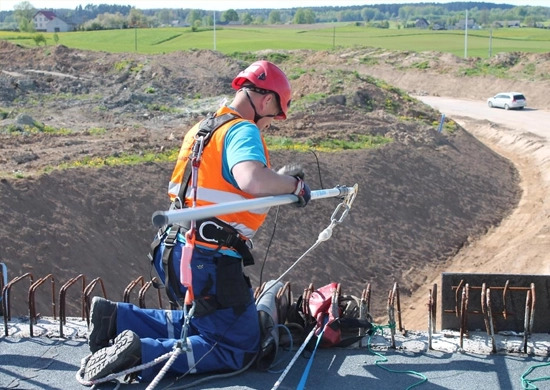
The same applies to working at height. Harnesses fail as a safety control when anchor points are unsuitable, lanyards are too long, rescue planning is absent, or the worker has never practised fitting the equipment properly. A certificate alone will not save a man suspended after a fall if nobody has thought about rescue time.
This is where weak training fails. It tells employees what PPE to wear but does not explain when PPE gives false confidence. Gloves can pull a hand into rotating machinery. A dust mask may be useless for the actual exposure. Safety shoes protect toes but do nothing for poor lifting technique. A helmet does not make walking under suspended loads acceptable.
A competent HSE Training Institute Saudi Arabia should be willing to say these uncomfortable things. PPE is the last line, not the plan.
Workplace safety training reduces accidents because it slows down the dangerous automatic behaviour that builds up on busy sites. Employees pause. They check. They ask. They report. Not every time, of course. Training is not magic. It fails when supervisors punish delays, when management ignores repeated defects, when equipment is not maintained, or when production targets quietly matter more than safety instructions. Employees notice hypocrisy very quickly.
Training improves confidence, especially for new staff and contractors
New employees often do not speak up because they do not yet understand the workplace politics. Contractors may stay silent because they want to keep the job. Junior workers may see something unsafe and assume the older man knows better.
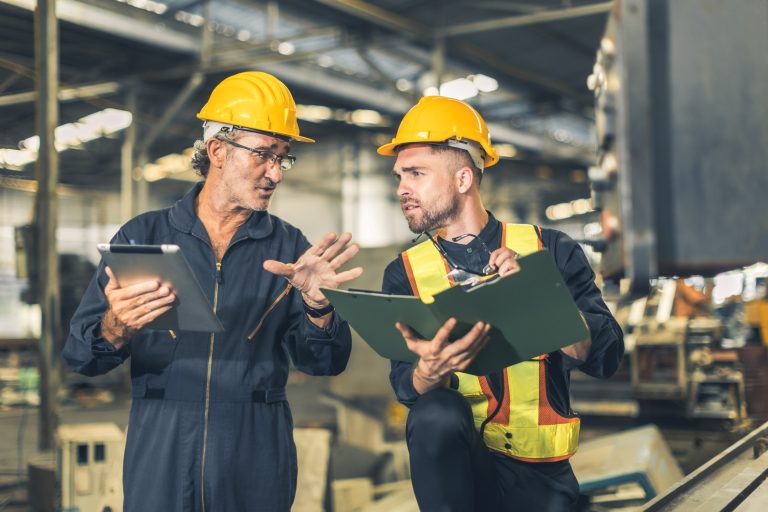
Sometimes he does. Sometimes he is just lucky. Good workplace safety training gives employees a shared language for stopping unsafe work without turning every concern into an argument. “The permit does not cover this task.” “The scaffold tag is missing.” “The load path is not clear.” “We need gas testing before entry.” These are not emotional statements. They are practical statements.
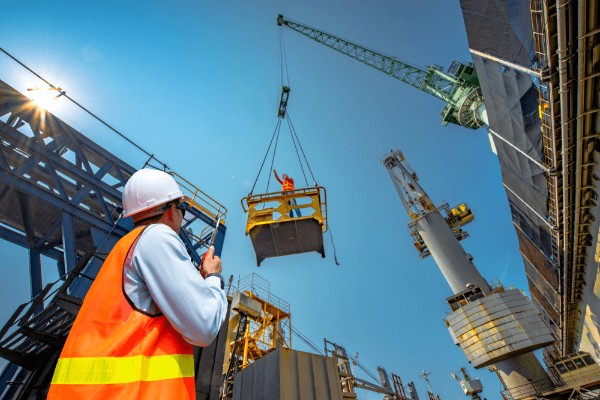
That matters in Saudi Arabia because large projects often involve layered contracting. A client, main contractor, subcontractor, manpower supplier and specialist vendor may all touch the same work area. The person at risk may not be the person who created the risk. Training helps employees understand interface hazards: simultaneous operations, moving vehicles, lifting zones, electrical work near wet areas, hot work near stored materials, cleaning work during public access, maintenance during live operations.
Safety Training Providers in Riyadh, Saudi Arabia are often asked for short courses because companies want staff trained quickly. There is nothing wrong with short training when the risk is low and the topic is narrow. The mistake is using short training for high-risk tasks that need practice, assessment and refreshers.
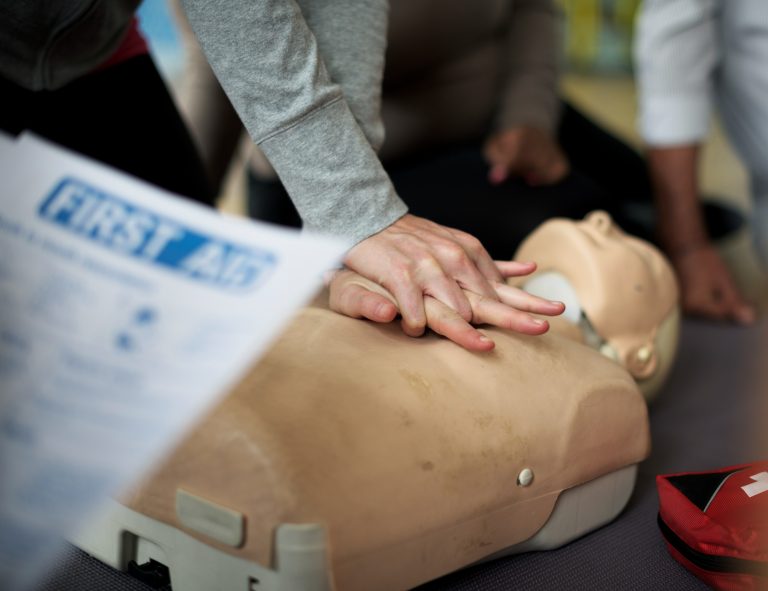
A worker cannot become competent in confined space rescue by watching slides for one afternoon. The same goes for rigging, forklift operation, scaffolding inspection, electrical safety, chemical handling and emergency response. Some subjects need hands-on work. Some need supervised site experience after the classroom. Some need medical fitness, language support and reassessment.
Better safety training protects productivity instead of slowing it down
Poor managers think safety training slows work. Experienced managers know accidents slow work far more. A fall from height stops a job. A crushed hand stops a team. A fire incident brings investigation, repair, insurance questions, client scrutiny and sometimes prosecution. Even a near miss can reveal that the job was being held together by habit rather than control.
Employees benefit because trained workplaces are usually calmer workplaces. Tools are easier to find. Lifting is planned. Access routes are clearer. Emergency exits are not blocked by stored material. Chemical containers are labelled. Machines are inspected. Supervisors give instructions that make sense.
Training also improves the quality of reporting. Untrained workers often report only injuries. Trained workers report conditions. Damaged cables. Missing guards. Heat stress symptoms. Repeated vehicle blind spots. A loose handrail. A smell in a plant room. A pressure gauge behaving strangely.
Those reports are valuable. Not every report needs a dramatic response. Some need a small correction before the defect becomes expensive. Equipment Inspection Services in Saudi Arabia can support this wider safety system, but inspection alone is not enough if employees do not recognise when equipment has become unsafe between formal checks.
There is a practical detail rarely discussed: employees often know which equipment is troublesome long before management sees it in a report. They know the ladder everyone avoids. The forklift with weak brakes. The extension lead that trips the breaker. The drain cover that rocks underfoot. Training gives them permission and vocabulary to raise those issues clearly. A HSE Training Institute Saudi Arabia should teach reporting as a normal work habit, not as a blame exercise.
The best training fits the job, the language and the risk
Workplace safety training should never feel imported without thought. Saudi Arabia has specific working conditions. Heat exposure is real. Outdoor labour during peak temperatures needs more than a poster about drinking water. Workers need to recognise dizziness, confusion, heavy sweating, stopped sweating, cramps and fatigue before the situation becomes dangerous. Supervisors need to know that heat stress can look like laziness if they are poorly trained.
Language matters as well. A worker nodding during English training may not have understood the instruction. A toolbox talk delivered too quickly can become theatre. For mixed teams, visual demonstrations, translated key terms, practical assessment and supervisor confirmation often work better than long lectures.
There is also a cultural issue around authority. Some employees hesitate to challenge instructions. A good trainer deals with that directly. Stop-work authority must be practised, not merely announced. Workers need to hear exactly what they are allowed to say, who they should contact, and what protection they have when refusing unsafe work in good faith.
A credible HSE Training Institute Saudi Arabia should ask awkward questions before offering a course. What are the actual risks? Who is being trained? What languages do they understand? Are they employees or contractors? Are they experienced or new? Has there been an incident? Is the company trying to satisfy a client requirement or fix a real unsafe pattern?
The answer changes the training. A warehouse team does not need the same training as a hospital maintenance team. A hotel housekeeping team does not need the same depth as a shutdown crew in an industrial plant. A tower-crane operation, a kitchen, a dental clinic, a fabrication shop and a school facility all carry risk, but not the same kind of risk. Training becomes useful when it is specific enough to affect Monday morning behaviour.
Why Is Workplace Safety Training Important for Employees in Saudi Arabia?
Because Saudi workplaces often combine high-risk activity, fast schedules, contractors, heavy equipment, heat exposure and multilingual teams. Training helps employees recognise hazards early, follow safe systems of work, report defects and respond properly during emergencies. It also supports compliance with Saudi occupational safety and health expectations.
How Can a Health and Safety Training Institute in Saudi Arabia Improve Workplace Safety?
By making safety practical. The right institute does not only issue certificates. It trains employees on the hazards they actually face, tests whether they can apply the learning, supports supervisors, and helps companies close the gap between written procedures and site behaviour.
What Industries Benefit Most from Health and Safety Training in Saudi Arabia?
Construction, oil and gas, manufacturing, logistics, utilities, healthcare, hospitality, facility management, marine, aviation support and maintenance-heavy operations benefit strongly. Lower-risk offices benefit too, especially in fire safety, ergonomics, emergency evacuation and basic incident reporting.
How Can an Institute Help Employees Build Practical Safety Skills?
Through demonstrations, site-based examples, equipment practice, permit-to-work exercises, emergency drills, inspection checklists, role-play for stop-work situations and assessments that require employees to show what they can do. Practical safety skill is not built by listening alone.
What Should You Look for in a Safety Training Institute in Saudi Arabia?
Look for trainers with field understanding, recognised course structures, practical assessment, language support, Saudi regulatory awareness, proper records, realistic training materials and the courage to adapt training to the client’s actual risks. Be careful with providers who sell every course as urgent, easy and suitable for everyone.
Why is workplace safety training important?
It protects employees from predictable harm. It also reduces confusion. Workers understand hazards, controls, emergency procedures, reporting routes and their own responsibilities. Good training makes safe behaviour easier to repeat under pressure.
What are the benefits of workplace safety training for employees?
Employees gain confidence, hazard awareness, better emergency response, safer equipment use, clearer communication and stronger protection against avoidable injuries. It can also improve morale because workers can see that their health is being treated as part of the job, not an afterthought.
How does workplace safety training reduce workplace accidents?
It reduces accidents by changing decisions before the incident occurs. Employees inspect equipment, question unsafe instructions, use permits correctly, choose suitable PPE, report defects and recognise when conditions have changed. The strongest results come when training is supported by supervision, maintenance and enforcement.
Is health and safety training mandatory in Saudi Arabia?
For workplaces with occupational risks, employers are expected to comply with Saudi occupational safety and health requirements and protect workers from workplace hazards. The exact training need depends on the job, industry, risk level, client requirements and applicable regulations. Treat safety training as a core duty, not an optional extra.
How do I choose the best safety training provider in Saudi Arabia?
Choose a provider that understands your industry, asks about your risks before recommending courses, offers practical assessment, keeps proper documentation and can train employees in a way they understand. A good HSE Training Institute Saudi Arabia should leave workers safer at the job site, not just better documented in the office.