First Aid CPR and AED Training is best understood as a practical emergency-response programme rather than three separate subjects placed into the same classroom.
First aid covers the immediate care given when someone becomes ill or is injured before professional medical support takes over. In a workplace, that may involve serious bleeding, burns, choking, fainting, fractures, a fall, or an employee who suddenly becomes unresponsive. The useful skill is not remembering a long list of conditions. It is being able to look at the situation, identify what needs attention first, call for the right help and begin safe care without wasting time.
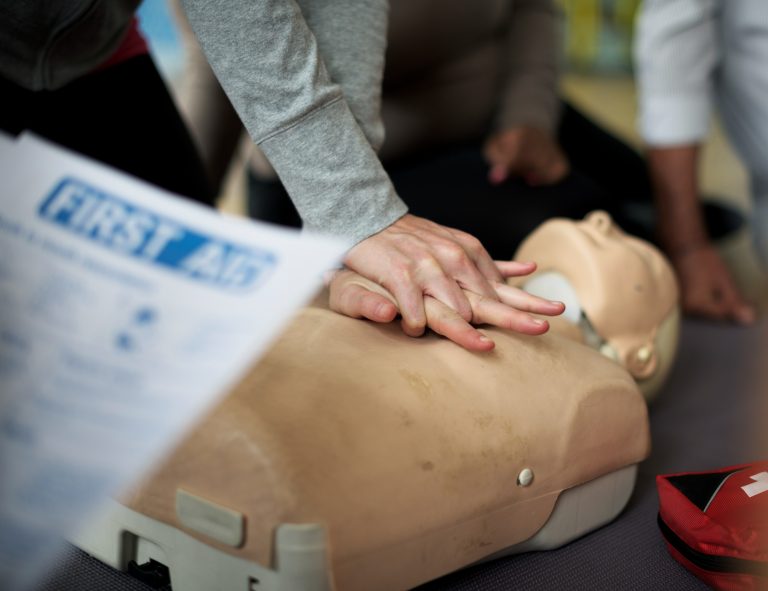
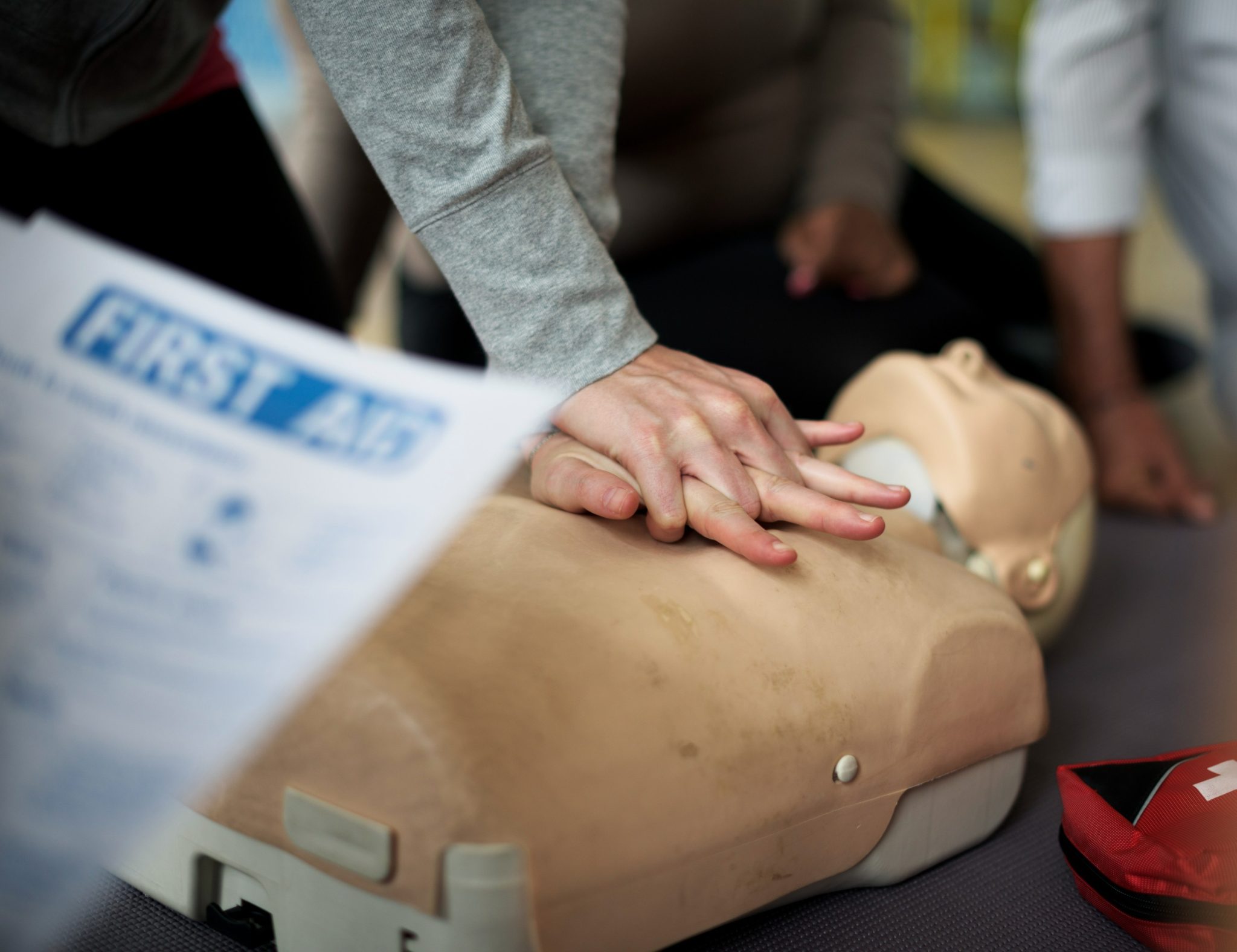
CPR has a more specific purpose. When a person is unresponsive and not breathing normally, cardiopulmonary resuscitation is used to maintain circulation while emergency medical assistance is being arranged. Good training develops the physical technique as well as the judgement around when CPR is required.
AED training deals with the automated external defibrillator. The device analyses the heart rhythm and gives clear instructions to the responder. Training allows a participant to practise pad placement, safe rhythm analysis, shock delivery when advised and the continuation of CPR.
SLC presents these skills as an integrated programme, which is the right practical approach. Emergencies do not arrive as separate “first aid”, “CPR” or “AED” events. A responder may have to move through all three within minutes.
Why the First Few Minutes Matter
The first few minutes of an emergency are working minutes. A colleague collapses in an office. A technician is injured during maintenance. A visitor chokes in a reception area. A worker becomes unwell on an industrial site. The people already there are the first link in the response, even when an ambulance has been called immediately.
First Aid CPR and AED Training gives staff a sequence they can rely on: assess the scene, check the casualty, call for emergency assistance, begin appropriate care, bring the AED when required and continue until medical professionals take over.
That sequence matters in large or access-controlled Saudi workplaces. Trained staff can also direct emergency services to the correct gate, retrieve the first-aid kit or AED and give a clear handover.
Saudi labour provisions require employers to provide first-aid kits and refer to the qualifications of those responsible for administering first aid. That creates a sensible operational link between equipment, competent people and workplace planning.
The Saudi Red Crescent Authority also runs beginner first-aid and basic life-support programmes covering situations such as cardiac arrest, choking and bleeding, together with communication with ambulance services. That is a useful indication of the skills Saudi emergency-response training places emphasis on.
Practical Competence Is the Real Standard
A certificate records completion. Competence is visible in what a participant can actually do. A serious course should put people on the floor with a CPR manikin. They should practise checking responsiveness, recognising abnormal breathing, performing chest compressions, using an AED trainer, positioning a casualty and managing realistic first-aid scenarios.
This is where confidence becomes useful rather than theoretical. Operational details matter. A responder should be able to assign the emergency call clearly, know the AED location and practise smooth rescuer changes during CPR.
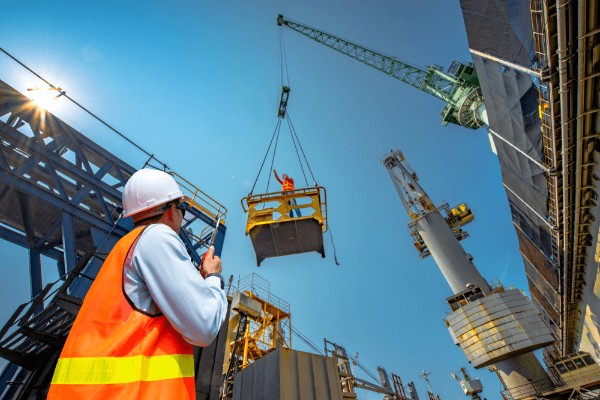
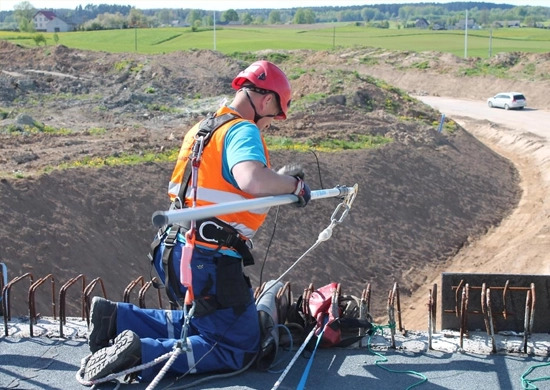
Workplace-specific scenarios are especially valuable. An office team may practise collapse and choking. A warehouse may include vehicle movement and a casualty some distance from the main entrance. A construction team may rehearse bleeding control, falls and rapid site access for emergency responders.
For an organisation comparing a Health and Safety Training Institute in Saudi Arabia, practical scenario design is worth examining closely. The strongest programme is the one that leaves participants comfortable with the sequence of actions, the equipment and the communication expected from them.
AED Training Turns Equipment Into Readiness
An AED is designed to guide the user. Training makes that guidance familiar before the pressure of a real event.
Participants learn how to expose the chest appropriately, attach the pads in the indicated positions, ensure nobody is touching the casualty during rhythm analysis, follow the device prompts and resume CPR promptly. They also learn how two or more responders can work as a team while the AED is being prepared.
First Aid CPR and AED Training is especially valuable here because it connects the device to the wider emergency sequence. The AED is not treated as a separate technical item. It becomes part of a coordinated response involving recognition, CPR, communication and handover.
AEDs should be easy to locate and included in organised checks. Pads, batteries and accessories should remain within their usable dates, while first-aid kits should be stocked for workplace needs. Companies using Equipment Inspection Services in Saudi Arabia can apply the same discipline to emergency equipment: known location, condition and responsibility.
The result is simple. Staff do not encounter the AED for the first time during an emergency.
Why This Training Has Particular Workplace Value in Saudi Arabia
Saudi organisations are operating in environments that increasingly expect structured health, safety and emergency preparedness. Training works best when it is tied into that wider system rather than treated as a once-a-year administrative exercise.
Designated responders can be distributed across shifts and work areas. Emergency contacts can be displayed clearly. New employees can be shown first-aid and AED locations during induction. Short refresher drills can keep the response sequence familiar.
First Aid CPR and AED Training also gives supervisors a clearer way to plan coverage and confirm that emergency equipment can be reached quickly.
For companies reviewing Safety Training Providers in Riyadh, Saudi Arabia, the useful questions are practical: Is the training hands-on? Does it reflect the workplace? Are participants assessed on actual performance? Is the course level appropriate to the employee’s role? Can the organisation maintain coverage across shifts?
SLC’s own course positioning combines first aid, CPR and AED skills in a workplace-oriented format. That integrated approach is valuable because the best emergency response is rarely about one isolated skill. It is about a group of people knowing what to do, in what order, with the equipment already available to them.
Faqs
1. What Is First Aid CPR and AED Training and Why Is It Important?
It combines immediate first-aid skills, CPR and AED use in a practical emergency-response programme. Its value is that trained people can recognise a serious situation, call for professional help and begin appropriate care during the period before emergency medical teams arrive.
2. How Does First Aid CPR and AED Training Prepare You for Emergencies?
It gives participants a repeatable response sequence and supervised practice. They learn casualty assessment, emergency communication, CPR, AED operation and first-aid techniques through demonstrations and practical scenarios.
3. Why Is First Aid CPR and AED Training Important in the Workplace?
Employees are already present when an incident occurs. Trained staff can begin care immediately, organise the scene, retrieve emergency equipment and support a clear handover to medical professionals.
4. How Can First Aid CPR and AED Training Help You Handle Medical Emergencies?
It develops practical skills for situations such as unconsciousness, cardiac arrest, choking, serious bleeding, burns and common injuries. Participants learn what action to take first and how to continue safely until professional support arrives.
5. Can First Aid CPR and AED Training Make a Difference in an Emergency?
Yes. Training helps a responder move quickly from recognising a problem to taking structured action, including calling for emergency assistance, beginning CPR when indicated and using an AED appropriately.
6. Is First Aid CPR and AED Training suitable for beginners?
Yes. Beginner-level first-aid and basic-life-support courses are available in Saudi Arabia, including Saudi Red Crescent programmes designed for people without an advanced medical background.
7. Do I need any previous experience to take First Aid CPR and AED Training?
Usually no for a standard workplace or community-level course. Participants can learn the core sequence through instructor explanation, demonstration and supervised hands-on practice.
8. What is the difference between First Aid, CPR, and AED training?
First aid covers immediate care for injury or sudden illness. CPR is used when a person is unresponsive and not breathing normally. AED training teaches the safe use of an automated external defibrillator. Combined training shows how the three fit together during the same emergency.
9. Is First Aid CPR and AED certification required for employees?
Requirements depend on the employee’s role, industry, project, client conditions and applicable standards. Saudi labour provisions require workplace first-aid resources and address the qualifications of those responsible for first aid, so employers should select certification that matches their operational responsibilities.
10. What emergencies can First Aid CPR and AED Training help you handle?
Depending on the course scope, training can prepare participants for cardiac arrest, choking, bleeding, burns, fainting, unconsciousness, breathing emergencies, fractures and other common workplace incidents. The emphasis is on recognising the situation quickly, beginning appropriate care and supporting an organised transfer to emergency medical professionals.