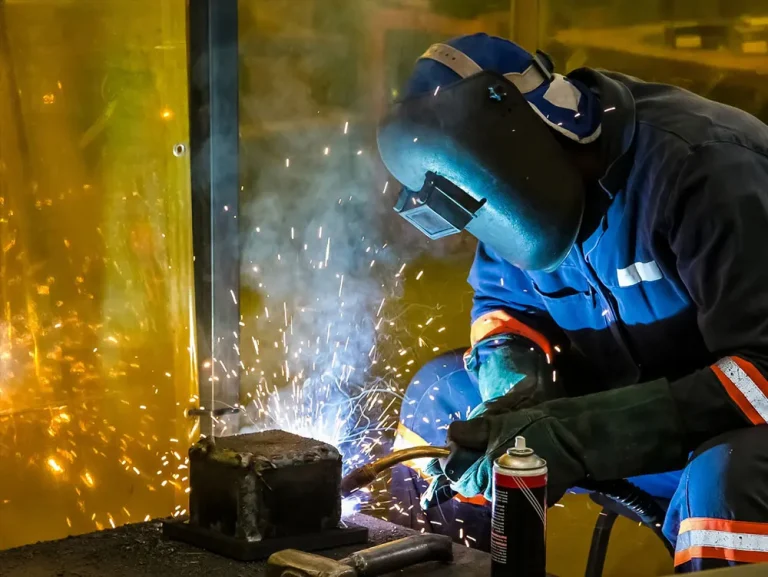
Welding, cutting and grinding are part of everyday work on Saudi construction sites, factories, warehouses and plants. They are also one of the most common ways fires start at work. A single spark can land 35 ft (11 m) away, smoulder unseen and break out long after the crew has gone home. Hot work permit training in Saudi Arabia based on NFPA 51B gives your teams the system and habits to stop these fires before they start.
At Sustainability Leaders Company (SLC) in Riyadh, we deliver practical Hot Work Safety and Permit Control training based on NFPA 51B (2024 edition), on-site at your facility.
What counts as hot work?
Hot work is any work involving burning, welding or a similar operation that can start a fire or explosion. Common examples include:
- Welding and allied processes: arc and gas welding, brazing, soldering and thermal spraying.
- Cutting: oxy-fuel and plasma cutting, carbon-arc gouging and thermal lancing.
- Grinding and abrasive cutting that produce sparks.
- Heating and torch work: heat treating, torch-thawing pipes and torch-applied roofing — a frequent cause of building fires.
How hot work fires start
- Sparks and spatter can travel 35 ft (11 m) or more horizontally — further when falling from height — and stay hot enough to ignite combustibles.
- Hot slag and metal drop through gaps, grating and floor openings onto materials below.
- Conduction: heat travels along pipes, beams and metal walls and ignites materials on the other side, out of the operator's sight.
- Hidden spaces: ceiling voids, wall cavities, ducts and insulated panels can hide a smouldering fire for hours.
This is why NFPA 51B focuses on controlling the area before work starts, and on watching it after the work stops.
What NFPA 51B requires
NFPA 51B, the Standard for Fire Prevention During Welding, Cutting, and Other Hot Work, sets out a complete hot work program. Its key requirements include:
- Consider alternatives first: use cold-cutting, bolting or mechanical joining, or move the job to a designated hot work area.
- Clear roles: management runs the program; a Permit Authorizing Individual (PAI) personally inspects the area and authorizes each permit; operators and the fire watch each have defined duties.
- The permit: outside designated areas, a documented permit is required. The 2024 edition allows electronic permit systems.
- The 35 ft (11 m) rule: move combustibles at least 35 ft away, or protect them; sweep floors and close openings within the same distance.
- Nonpermissible areas: no hot work in explosive atmospheres, where sprinklers are impaired, or near large quantities of readily ignitable materials.
- Fire watch: a trained fire watch during the work and for at least 1 hour afterwards (up from 30 minutes in the 2019 edition), with further monitoring as the PAI decides.
Hot work and Saudi requirements
In Saudi Arabia, employers must protect workers and premises from fire. Saudi Labour Law and the MHRSD occupational safety and health regulations require safe systems of work and training, and Civil Defense enforces fire safety on every facility. The Saudi Fire Code (SBC 801) includes requirements for welding and other hot work. NFPA 51B gives the practical, internationally recognised method for meeting these duties on site.
What our hot work training covers
The course is built around five modules based on the 2024 edition of NFPA 51B:
- Hot work hazards and NFPA 51B — what counts as hot work, how fires start, hidden spaces, the scope of the standard and alternatives first.
- Roles and the hot work program — management, the Permit Authorizing Individual (PAI), hot work operators, fire watch and contractors.
- Hot work areas and the permit — designated, permit-required and nonpermissible areas; the permit process and pre-permit hazard assessment.
- Fire prevention precautions — the 35 ft (11 m) rule, floors and openings, the far side of walls and ceilings, fire protection, extinguishers and gas testing.
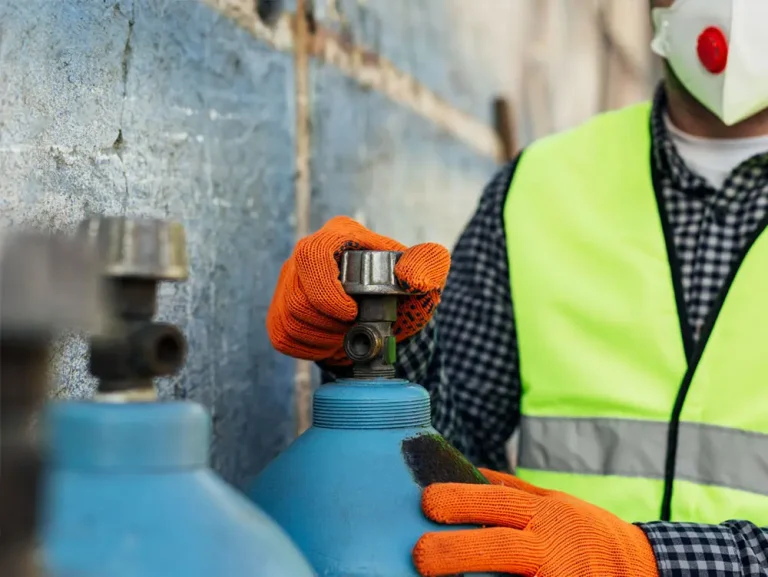
- Fire watch, monitoring and special hazards — fire watch duration, post-work monitoring, containers and tanks, gas cylinders and permit close-out.
Participants practise completing a real hot work permit and hazard assessment in groups, and test their knowledge at the end of each module.
Benefits of hot work safety training for your company
- Prevent fires and explosions: combustibles controlled, openings sealed and flammable atmospheres tested before the first spark.
- Meet legal duties: support Civil Defense, MHRSD OSH rules and the Saudi Fire Code alongside NFPA 51B.
- A permit system that works: area inspections before signing, documented permits and proper close-out.
- Clear roles: management, permit issuers, operators, fire watch and contractors each know their duties.
- Protect assets and production: avoid the fire damage, downtime and losses a single hot work fire can cause.
- Vigilance after the work: a trained fire watch during the work and at least 1 hour after.
Who should attend
The course is designed for welders, fitters and fabricators, supervisors and permit issuers, fire watch personnel, HSE officers, maintenance and facility managers, and contractors and roofing crews.
Why choose SLC
SLC is a Riyadh-based health and safety training and consultancy company. Alongside internationally recognised NEBOSH courses, we design specialist training around the real hazards of our clients' sites — from hot work and electrical safety to ammonia refrigeration. Our NFPA 51B hot work training is delivered on-site at your facility, tailored to your permit system, and every participant receives an SLC certificate of completion.
Frequently asked questions
What is NFPA 51B?
NFPA 51B is the Standard for Fire Prevention During Welding, Cutting, and Other Hot Work, published by the National Fire Protection Association. It sets out the responsibilities, permits and precautions needed to prevent fires and explosions during hot work. The current edition is 2024.
What is a hot work permit?
A hot work permit is a documented authorization, issued by a Permit Authorizing Individual after inspecting the area, that lists the precautions, the people involved, the fire watch and the period the work may take place.
What is the 35 ft rule in hot work?
NFPA 51B requires combustible materials within 35 ft (11 m) of hot work to be moved away or protected, and floor and wall openings within that distance to be covered or sealed, because sparks commonly travel that far.
How long must a fire watch last after hot work?
Under the 2024 edition of NFPA 51B, the fire watch continues for at least 1 hour after hot work ends, with further monitoring as determined by the Permit Authorizing Individual.
Who needs hot work training?
Welders and other hot work operators, supervisors and permit issuers, fire watch personnel, HSE staff and contractors who carry out hot work on site.
How long is the course, and do participants get a certificate?
The course runs over one day and is delivered on-site at your facility. Every participant who completes it receives an SLC certificate of completion.
Book hot work permit training for your team
Most hot work fires are preventable with the right permit, precautions and fire watch. Contact SLC to arrange on-site Hot Work Safety and Permit Control training at your facility anywhere in Saudi Arabia.
Sustainability Leaders Company (SLC)
4265 Ghazzah St – Al Wadi District, Riyadh 13313 – 6788, Saudi Arabia
Tel: +966 11 495 8604
Mobile / WhatsApp: +966 50 596 5227 | +966 53 658 1681
Email: admin@slcgrouponline.com
Web: www.slcgrouponline.com
Sources (for the web team)
- NFPA 51B, Standard for Fire Prevention During Welding, Cutting, and Other Hot Work, 2024 edition: https://www.nfpa.org/51B
- Saudi Building Code SBC 801 (Fire): https://sbc.gov.sa
- MHRSD — Occupational Safety and Health Management Regulation: https://www.hrsd.gov.sa/sites/default/files/2023-02/161238_0.pdf
- SLC course material: Hot Work Safety & Permit Control (NFPA 51B)